
Fintech Resilience – IntroductionNavigating a scenario where a significant revenue-generating service in the fintech industry is mandated to be zero-rated by the regulator requires a strategic and innovative approach. Imagine a situation where, all of a sudden, a regulator issues directives to zero-rate a service that contributes 40% or even more revenue to the total pie. At the same time, your investors expect you to bring in 20% growth year over year to continue their capital injection. Here’s a plan to help you maintain revenue growth while complying with the regulator’s order and explore new services to protect the business: The knife has been dropped on P2P
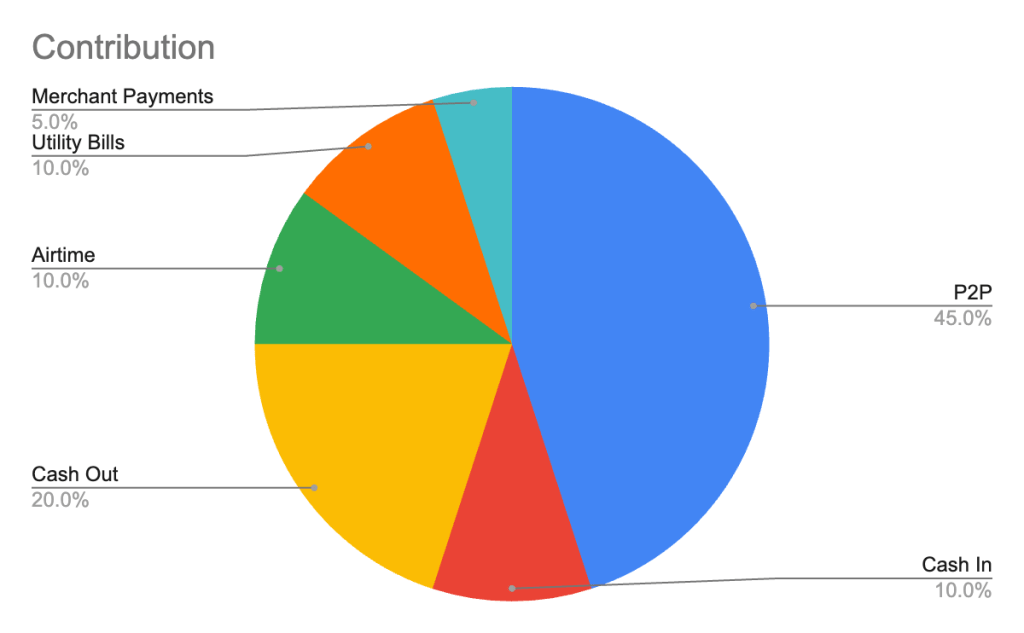
- Comprehensive Impact Assessment– First thing first, one needs to understand the full impact, to achieve this it requires conducting a detailed analysis of the financial, operational, and customer impact of zero-rating the service. Identify potential challenges and opportunities arising from the regulatory order.
- Diversification Strategies – Exploring new revenue streams and Investigating opportunities to introduce new financial products or services that align with your expertise and customer needs. Consider partnerships with other fintech players or traditional financial institutions to diversify revenue sources.
- Innovative Financial Products – Introduce new financial products to develop and launch innovative financial products or services that cater to emerging market demands. Consider offerings such as robo-advisors, micro-investing platforms, or personalized financial planning services.
In summary, a multifaceted approach is crucial to navigating this challenging scenario. By strategically complying with the regulator’s order, enhancing existing offerings, and introducing innovative financial products, your fintech business can adapt, thrive, and continue its growth trajectory. Engaging in open communication with both the regulator and customers will be essential throughout this transition.
Fintech Resilience – Detailed Action Plan
Meeting the challenge of sudden regulatory directives to zero-rate a significant revenue-generating service (40%) while simultaneously striving for a 20% year-over-year growth to satisfy investor expectations demands a strategic and comprehensive approach. Here’s a set of actions to navigate and potentially overcome this complex situation:
- Regulatory Compliance and Advocacy:
- Understand the Directive: Conduct a thorough analysis of the regulatory directive to comprehend its implications and constraints.
- Engage with Regulators: Open a dialogue with regulatory authorities to discuss concerns, propose alternatives, or seek clarification on the directive’s scope.
- Diversification Strategies:
- Service Portfolio Expansion: Identify and invest in new services or products to diversify revenue streams.
- Market Expansion: Explore untapped markets or regions to introduce existing or new services.
- Cost Optimization:
- Operational Efficiency: Conduct a comprehensive review of operational processes to identify areas for optimization and cost reduction.
- Resource Allocation: Reallocate resources to prioritize initiatives aligned with the revised revenue model.
- Investor Communication:
- Transparency: Communicate openly with investors about the regulatory challenges and the strategic plan to navigate them.
- Revised Growth Expectations: Set realistic growth expectations with investors, considering the impact of the regulatory changes.
- Innovation and Technology Adoption:
- Explore Emerging Technologies: Investigate innovative technologies or business models to enhance efficiency and introduce new revenue streams.
- Digital Transformation: Embrace digital transformation to adapt to changing market dynamics and customer preferences.
- Customer Retention and Value-Added Services:
- Customer Engagement: Engage proactively with existing customers affected by the zero-rated service. Offer alternative solutions or introduce value-added services to maintain customer satisfaction.
- Incentives: Consider loyalty programs or special incentives for customers transitioning from the zero-rated service to new offerings.
- Scenario Planning and Risk Management:
- Develop Scenarios: Create scenario-based plans to anticipate potential challenges and devise strategies to mitigate risks.
- Contingency Plans: Establish contingency plans for different scenarios, providing agility in response to evolving circumstances.
- Stakeholder Collaboration:
- Industry Collaboration: Collaborate with industry peers, associations, and other stakeholders to collectively address regulatory concerns or explore alternatives.
- Advocacy Efforts: Consider participating in advocacy efforts to influence regulatory decisions positively.
- Strategic Partnerships and Alliances:
- Partnership Exploration: Explore partnerships or alliances with other businesses to share resources, reduce costs, or create joint ventures to introduce new services.
- Investment Reallocation:
- Capital Allocation: Evaluate the allocation of capital to ensure it aligns with strategic priorities and growth initiatives.
- Investment Reassessment: Reassess ongoing and planned investments to optimize resources and fund critical initiatives.
By combining these strategies, a company can create a resilient and adaptive framework to navigate regulatory challenges, meet investor expectations, and set the stage for sustained growth in a dynamically changing business environment.
The journey of FinTech in Africa and Asia is a testament to resilience and adaptability. Overcoming these challenges requires concerted efforts from industry players, regulatory bodies, and governments to create an environment that fosters innovation while addressing the unique needs of each market.

Conclusion – Overcoming the regulatory hurdles and meeting investor expectations in the fintech landscape necessitates a strategic, multifaceted approach. By embracing regulatory compliance, diversifying revenue streams, optimizing costs, transparently communicating with investors, and fostering a culture of innovation, businesses can navigate challenges and position themselves for sustainable growth. This scenario underscores the resilience and adaptability required in the ever-evolving fintech industry. Through strategic planning and collaboration, businesses can transform regulatory challenges into opportunities, ensuring their continued success in a dynamic and competitive environment.
—
Points to Note:
it’s time to figure out when to use which tech—a tricky decision that can really only be tackled with a combination of experience and the type of problem in hand. So if you think you’ve got the right answer, take a bow and collect your credits! And don’t worry if you don’t get it right.
Feedback & Further Questions
Do you have any burning questions about Big Data, AI & ML, Blockchain, FinTech, Theoretical Physics, Photography or Fujifilm(SLRs or Lenses)? Please feel free to ask your question either by leaving a comment or by sending me an email. I will do my best to quench your curiosity.
Books & Other Material referred
- AILabPage (group of self-taught engineers/learners) members’ hands-on field work is being written here.
- Referred online materiel, live conferences and books (if available)
============================ About the Author =======================
Read about Author at : About Me
Thank you all, for spending your time reading this post. Please share your opinion / comments / critics / agreements or disagreement. Remark for more details about posts, subjects and relevance please read the disclaimer.
FacebookPage ContactMe Twitter ========================================================================

 AILabPage